
India-US trade alignment may drive cargo flows: Dimerco
Middle East tensions, Nhava Sheva congestion and frontloading are tightening shipping schedules, while Asia air cargo faces fuel and capacity strain.


India is facing longer transit times, higher freight costs and cargo movement disruptions as airlines continue operating cautiously around Middle East airspace and congestion affects shipping operations, while closer cooperation between India and the US could support new supply chain opportunities over the longer term, according to Dimerco’s June 2026 Asia Pacific Freight Report.
The report said recent discussions between India and the US on trade, energy security and maritime stability highlight growing alignment between the two countries amid ongoing Middle East tensions. Over time, this could strengthen India’s role as an alternative manufacturing and sourcing hub for companies looking to diversify supply chains beyond China. Dimerco said stronger trade ties, increased investment and wider logistics connectivity into India are expected to create new cargo flows across Asia Pacific supply chains.
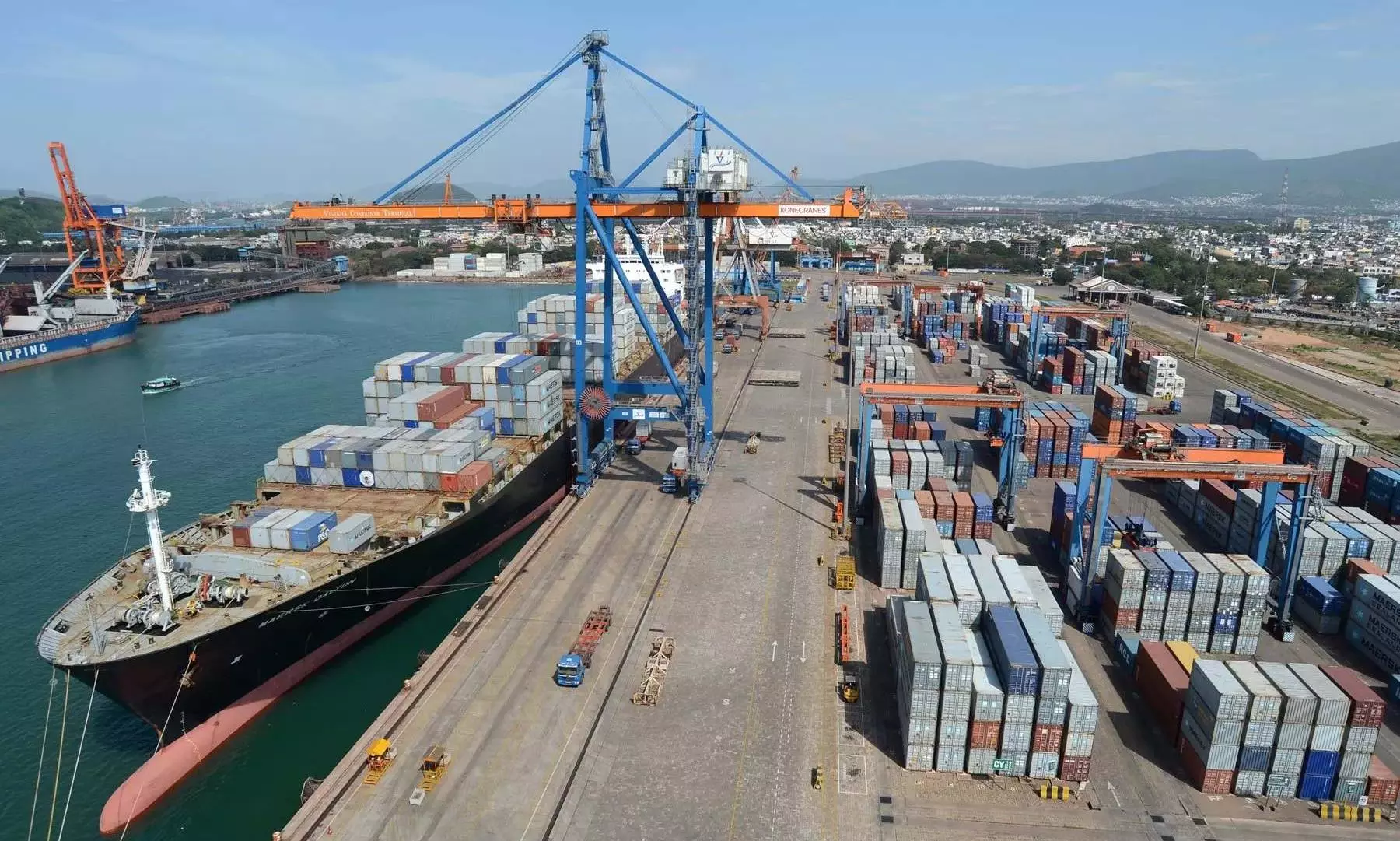
At the same time, India’s logistics sector is facing operational pressure. Airlines continue operating cautiously around Middle East airspace, leading to longer transit times and higher air freight rates to Europe and the US. On the shipping side, severe congestion at Nhava Sheva Port is affecting cargo movement, with prolonged gate delays, trailer shortages, export rollovers and extended delivery timelines disrupting both imports and exports.
Across global shipping markets, Dimerco said fuel volatility, geopolitical risks and operational disruptions continue to shape freight conditions. Ongoing tensions in the Gulf region have triggered frontloading activity, with shippers moving cargo earlier to reduce the impact of rising fuel-related costs and avoid possible supply chain disruptions. This shift has tightened vessel utilisation and pushed ocean freight rates higher.
According to the report, carriers are also adjusting to fuel volatility by increasing bunker surcharge revisions more frequently, moving from quarterly changes to monthly adjustments in some cases. Rising fuel costs and geopolitical uncertainty continue to affect shipping costs and market planning.
Dimerco said shipping capacity across Asia Pacific remains manageable overall, but congestion in India and Thailand is affecting schedule reliability ahead of the traditional peak season. In Southeast Asia, port congestion and operational delays continue to slow cargo movement, while transhipment hubs are facing pressure due to rerouting and shifting cargo patterns.
In China, shipping markets are seeing tighter conditions on several lanes as carriers continue blank sailings and manage vessel space carefully. Space to Thailand and Indonesia remains tight, while reduced vessel deployment and schedule adjustments are affecting cargo movement to the US and Europe. Carriers are also prioritising lighter cargo in some cases, resulting in longer lead times for large-volume project shipments.
South China and Hong Kong are facing continued pressure on US and European trade lanes due to blank sailings and congestion at destination ports. Europe-bound shipments are facing delays of up to several days due to congestion at base ports, while space shortages are continuing to influence freight conditions.
In Southeast Asia, Thailand is facing growing logistics pressure as congestion affects both airport and port operations. Truck demand remains high, and delays in cargo movement are affecting supply chain efficiency. Malaysia and Singapore continue to see stable but closely monitored shipping conditions, while Vietnam may face higher US shipping rates and container shortages because of early peak season demand and blank sailings.
Dimerco also noted that Europe’s shipping market remains volatile, with softer demand limiting stronger rate recovery even as rerouting, capacity adjustments and geopolitical-related surcharges continue to keep cost pressure elevated.
While shipping remains the main area of pressure, air freight markets across Asia Pacific are also facing tighter conditions. Jet fuel shortages are forcing some airlines to reduce cargo payloads or replace larger freighter aircraft with smaller ones to improve efficiency, reducing effective cargo capacity.
Demand for semiconductor, AI, e-commerce and high-tech shipments continues to support air freight volumes, especially in Taiwan and South Korea, where cargo demand remains strong on US and Europe routes. Taiwan continues to face tight capacity due to semiconductor and AI-related shipments, while South Korea is seeing pressure from semiconductor equipment demand and China cargo prioritisation.
The report added that airlines across Asia Pacific continue adjusting operations around the Middle East situation, resulting in longer transit times, tighter capacity and elevated rates on routes to Europe and the US, adding further pressure to regional supply chains.