
Breeze warns of gaps in cargo war insurance
Breeze says ongoing disruption across major shipping routes is exposing weaknesses in cargo war insurance and increasing operational risks for logistics players.
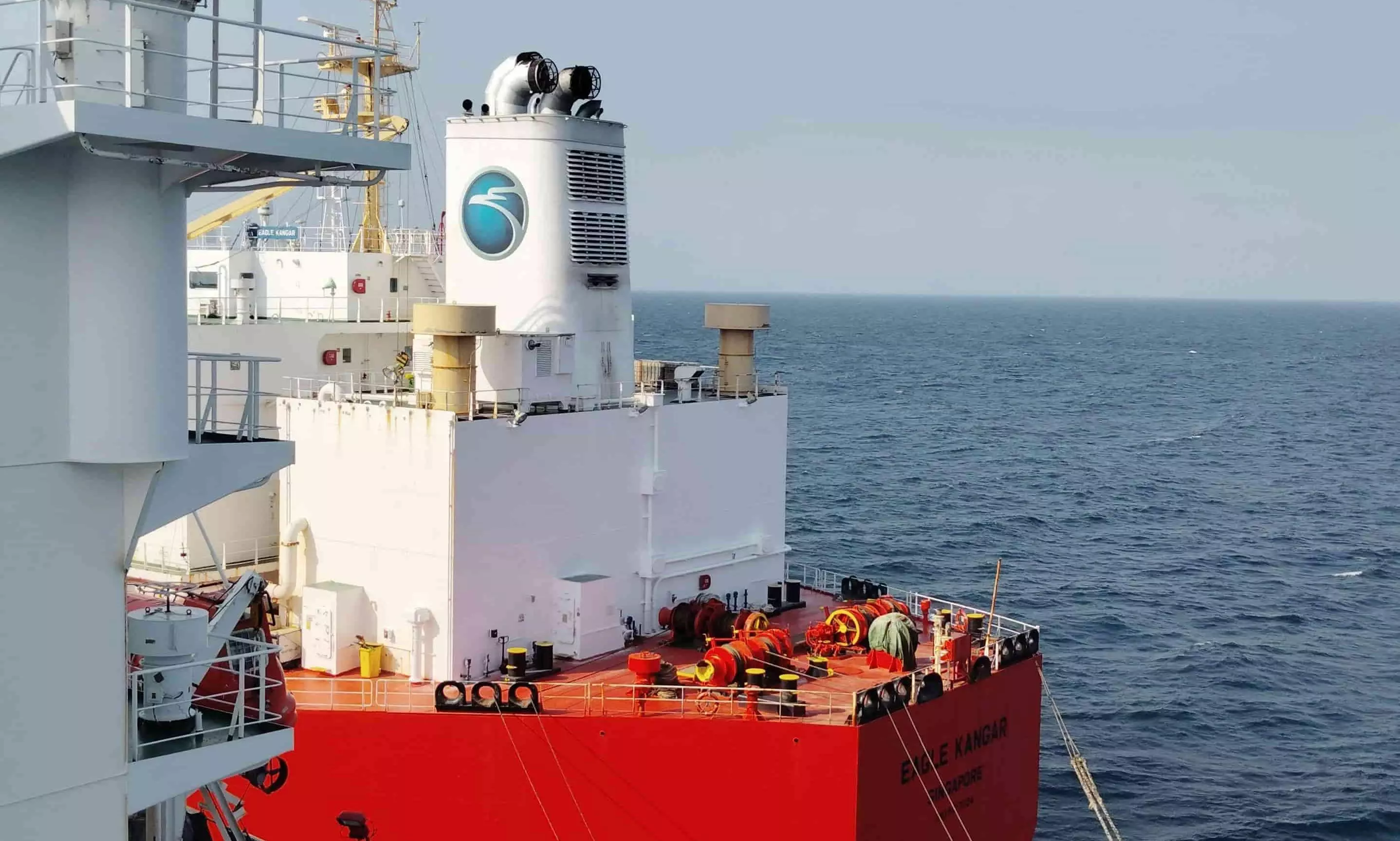


Breeze has warned that ongoing instability across key maritime trade corridors, including the Red Sea, Gulf of Aden and Persian Gulf, is revealing significant shortcomings in marine cargo war insurance coverage that the industry can no longer view as merely hypothetical risks.
Patrizia Kern-Ferretti, Chief Insurance Officer at Breeze, said the prolonged disruption is placing increasing pressure on insurers and cargo operators navigating high-risk shipping routes. She brings more than three decades of experience in marine insurance, having previously led the global marine business at Swiss Re Corporate Solutions and served as chair of the Poseidon Principles for Marine Insurance.
Patrizia Kern-Ferretti, Chief Insurance Officer at Breeze, said cargo owners remain less protected than hull clients in several key areas of marine war insurance. While hull war cover can be cancelled mid-policy with seven days’ notice, cargo war cover remains valid once goods are in transit, offering important protection for cargo owners. However, she noted that this cover can still expire at discharge or within 15 days of a vessel arriving at port, while standard policy wording may exclude frustration of voyage claims. Cargo policies also lack an equivalent to the hull Detainment Clause, leaving cargo owners exposed to risks not faced by hull clients.
Breeze warned that these insurance gaps are becoming increasingly critical as conflict-driven route diversions, port blockages and shipment delays across the Red Sea, Gulf of Aden and Persian Gulf turn technical insurance clauses into real operational risks for freight forwarders, logistics providers and shippers.
Kern Ferretti said, “The marine insurance market has shown real resilience, but resilience is not the same as fitness for purpose. War clauses have often evolved after crises, from detainment wording to blocking and trapping addenda, and the market now has an opportunity to address today’s uncertainty before it becomes tomorrow’s arbitration.”
Breeze is calling on the marine insurance sector to rethink cargo war cover as ongoing geopolitical instability continues to disrupt global shipping routes. The company said there is a growing need for clearer, more accessible and more adaptable insurance solutions for cargo moving through high-risk regions such as the Red Sea, Gulf of Aden and Persian Gulf.
Patrizia Kern-Ferretti, Chief Insurance Officer at Breeze, said the industry has an opportunity to modernise cargo war insurance frameworks before prolonged disruption and operational uncertainty force policy wording and coverage limitations to be tested through disputes and claims challenges.