
India pushes technology led overhaul of maritime port security
India pushes integrated cyber, drone and risk-management systems to build resilient, future-ready ports.
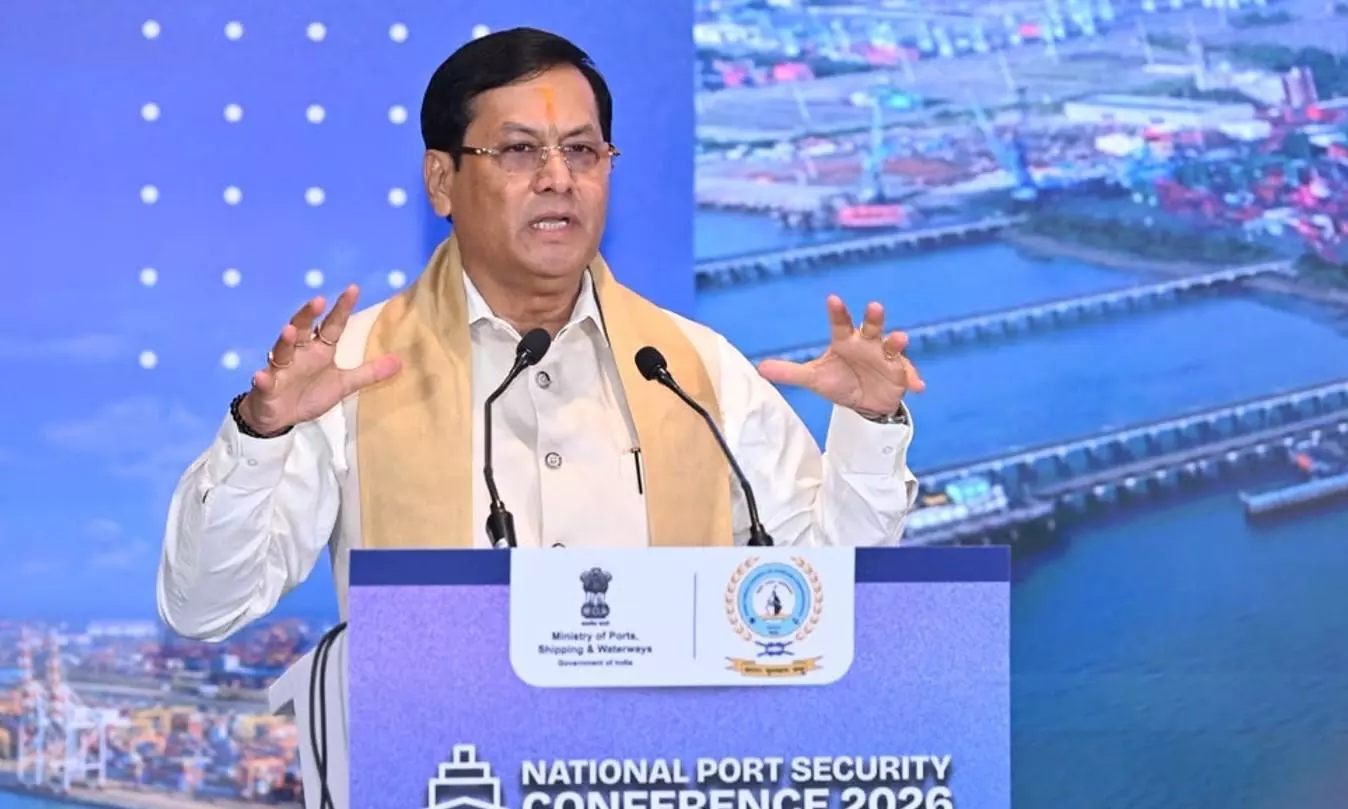


Union Minister for Ports, Shipping and Waterways (MoPSW) Sarbananda Sonowal called for a technology-led transformation of India's maritime security architecture, saying the country's expanding port network and growing role in global trade require security systems that are resilient, integrated, and equipped to counter emerging cyber and geopolitical threats, the Press Information Bureau announced on August 6, 2026.
Addressing the 2nd National Port Security Conference 2026 in New Delhi, Sonowal said India's ports should be measured not only by cargo throughput and operational efficiency but also by their ability to withstand evolving security risks. He urged maritime stakeholders to adopt advanced technologies, strengthen institutional coordination, and build a future-ready security ecosystem supporting India's long-term maritime ambitions.
"Safe Ports create Strong Trade. Strong Trade creates a Strong Economy. And a strong economy builds a strong Nation," Sonowal said, adding that cyberattacks, drone incursions, supply chain vulnerabilities, and threats to digital infrastructure have made maritime security a strategic imperative rather than merely an operational requirement.
The Minister said the Bureau of Port Security (BoPS), established under the Merchant Shipping Act, 2025, would provide a dedicated institutional framework to strengthen regulatory oversight, standardise security practices, and improve coordination among maritime agencies. He also highlighted digital initiatives such as e-Samudra, the Maritime Single Window, and the One Nation One Port Process, saying India's transition towards smart ports must be accompanied by equally robust cyber security and risk management systems.
"Under the visionary leadership of Prime Minister Narendra Modi and guided by the vision of SAGAR, we are committed to building a secure, resilient and future-ready maritime ecosystem that will anchor India's journey towards Viksit Bharat 2047," Sonowal added.
The conference brought together around 140 participants, including senior officials from the Ministry of Ports, Shipping and Waterways, the Ministry of Home Affairs, the Indian Navy, Indian Coast Guard, State Maritime Boards, Major Port Authorities, non-major ports, and industry representatives, to deliberate on emerging security challenges facing India's maritime sector.
MoPSW Secretary Vijay Kumar advocated a "Security by Design" approach, calling for security to be integrated into every stage of port development, while Ministry of Home Affairs Secretary (Border Management) Dr. Rajendra Kumar stressed greater use of technology and inter-agency coordination to address emerging cyber, drone, and transnational maritime security threats.
The conference featured technical sessions on the International Ship and Port Facility Security (ISPS) Code, cyber security, geopolitical risks affecting global shipping, and emerging best practices in maritime security, with participants expected to formulate recommendations for strengthening India's port security framework.