
India eases customs rules for export cargo following Strait of Hormuz closure
Containers can be offloaded at port terminals without standard import documentation, like a Bill of Entry, pending shipping document verification.
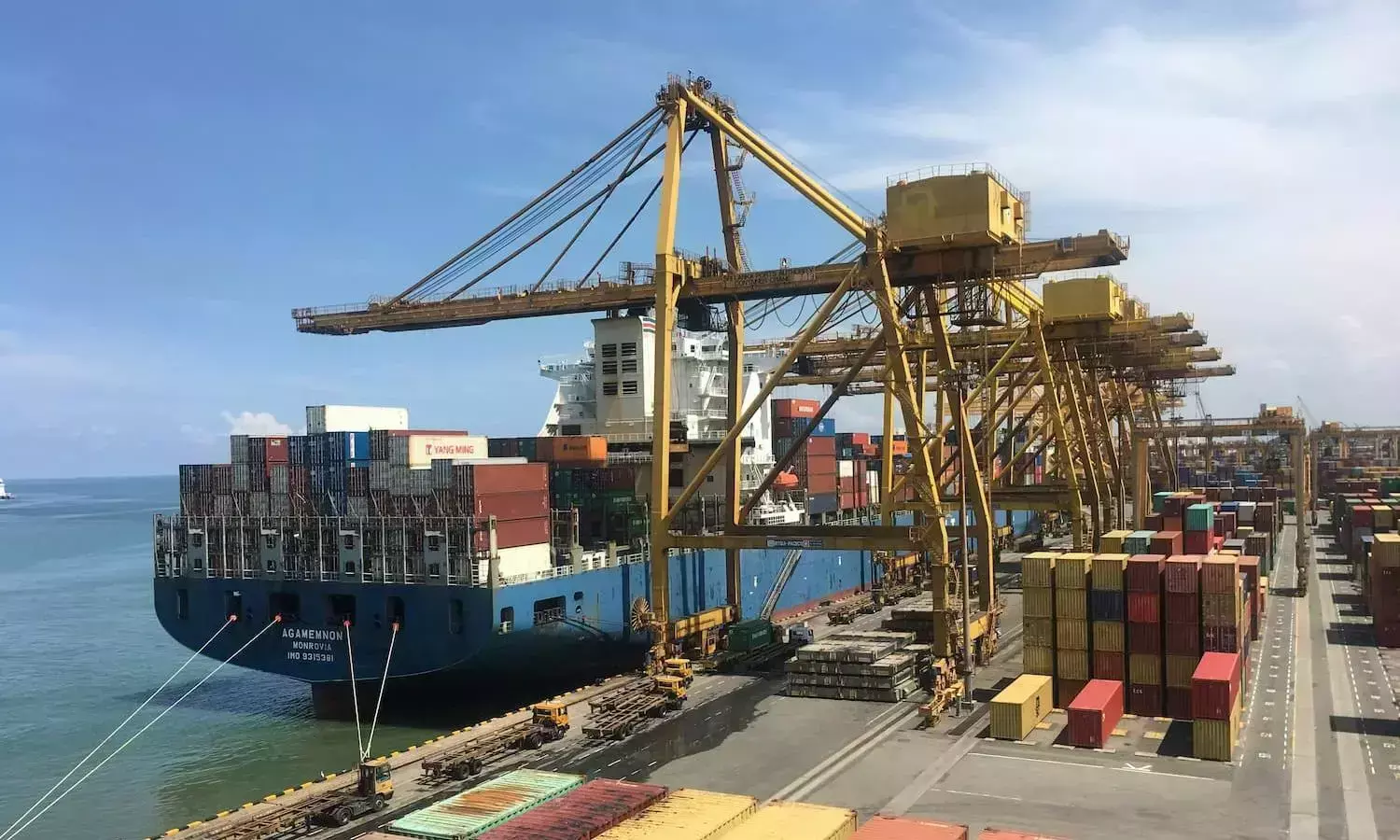


The Central Board of Indirect Taxes and Customs (CBIC) has announced a temporary relaxation of customs procedures to assist exporters whose cargo has been forced back to Indian shores. This move follows disruptions in key maritime routes, including the reported closure of the Strait of Hormuz, which has prevented numerous vessels from reaching their intended international destinations.
The new guidelines aim to streamline the back to town process for shipments, providing much-needed relief to shipping stakeholders and exporters currently navigating a volatile geopolitical landscape.
The CBIC’s circular introduces a simplified framework to expedite the return of goods that previously faced extensive import paperwork under the standard protocol. This simplified process allows containers to be offloaded at port terminals without filing the standard import documentation, such as a Bill of Entry, contingent on the verification of shipping documents.
Furthermore, customs officials will verify the integrity of the containers by cross-referencing details with original shipping bills, with any container found with a broken or tampered seal mandatorily undergoing a 100% physical examination.
To prevent bottlenecks while the digital infrastructure is being updated, customs field formations have been instructed to maintain manual logs to ensure cargo movement is not delayed by IT issues.
To maintain the integrity of India's trade balance and prevent the wrongful disbursement of export benefits, the Central Board of Indirect Taxes and Customs (CBIC) is introducing specific digital safeguards.
These measures include a new, highly restricted process that allows exporters to cancel shipping bills even after the Export General Manifest (EGM) has been filed. This cancellation process is being automated through a new functionality integrated into the Indian Customs EDI System (ICES).
Critically, data regarding these cancelled exports will be directly shared with the Reserve Bank of India (RBI) and the Directorate General of Foreign Trade (DGFT) to ensure that no export incentives or duty drawbacks are erroneously issued for goods that were not ultimately delivered.
This emergency relaxation is scheduled to remain in effect for 15 days from the date of the circular’s issuance. Government officials indicate that this window is intended to clear the immediate backlog created by the recent maritime blockades while the shipping industry reroutes or halts further consignments.