
Global trade at a breaking point: The high cost of the Hormuz closure
India is vulnerable with 40-50% of crude at risk. Govt tracks supply while shielding MSMEs from high freight costs.
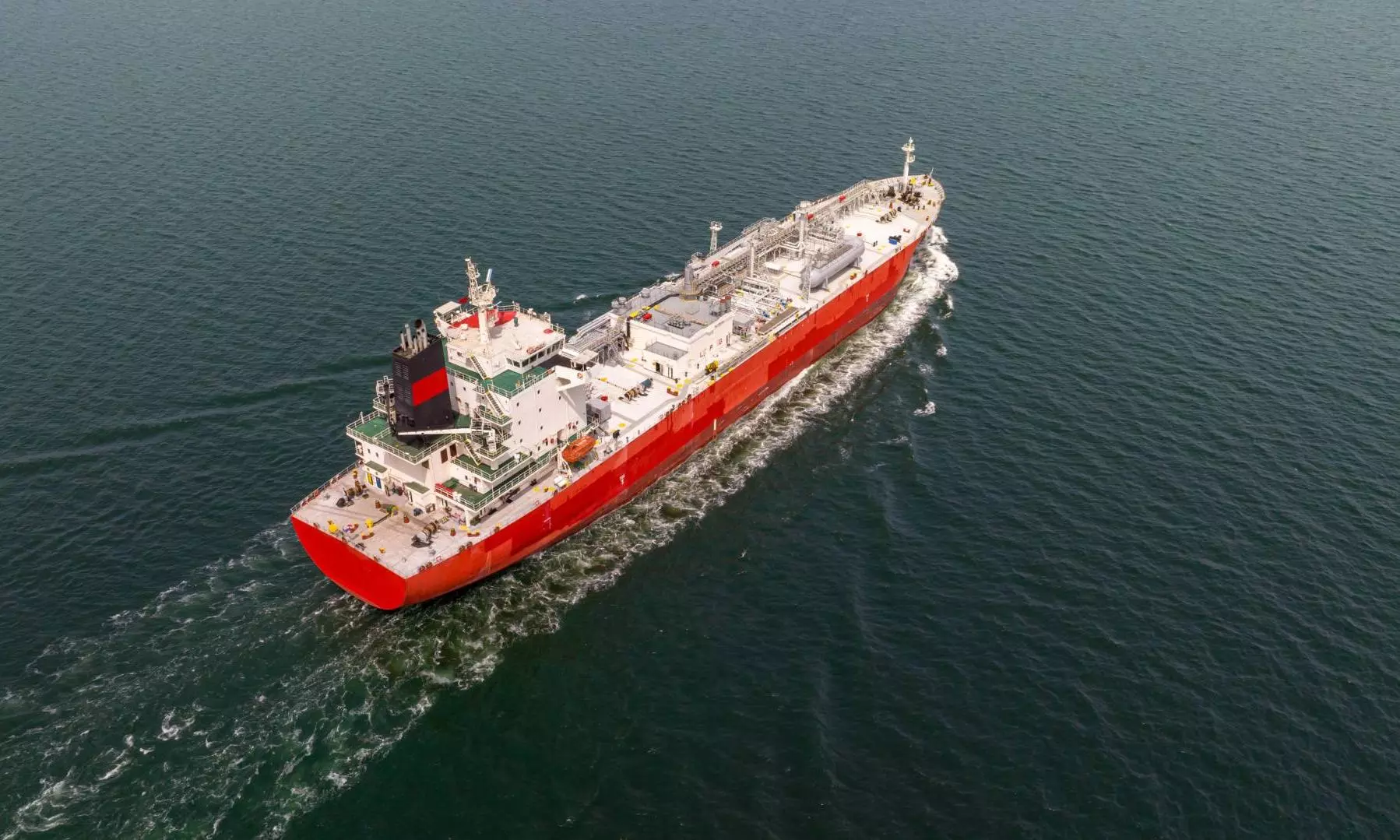
Representative Image - Oil ship


Escalating geopolitical tensions in the Middle East, driven by recent military strikes by the United States and Israel on Iran, are sending shockwaves through global trade networks. The intensifying conflict is threatening to severely disrupt cargo movements, trigger a spike in international crude prices, and significantly inflate India’s import bill.
The direct military actions have effectively closed the Strait of Hormuz to commercial shipping, a critical global chokepoint through which approximately 20% of the world's oil and liquefied natural gas (LNG) transit.
With an estimated 40% to 50% of India's crude oil imports, alongside vital shipments of LNG and liquefied petroleum gas (LPG), moving through the Strait of Hormuz, the nation's energy security faces a profound stress test.
Brent crude has already climbed to around $82 per barrel on 2 of March, buoyed by the heightened regional instability and the disruption of Gulf oil production, which typically accounts for roughly 20 million barrels per day.
In response to the escalating threat, India's ministry of petroleum and natural gas convened a high-level review on March 2 to assess the domestic availability of crude oil, LPG, and other essential petroleum products.
The ministry released an official statement,"We are continuously monitoring the evolving situation and all steps will be taken in order to ensure availability and affordability of major petroleum products in the country."
For the shipping industry, the closure of key Middle Eastern ports and the Strait of Hormuz is causing an operational disruption. Shipping companies are being forced to completely reroute vessels to avoid active conflict zones, leading to severe delays and surging expenses.
Pushpank Kaushik, CEO of Jassper Shipping, highlighted the severe operational hit to logistics, warning that the financial burden will ultimately fall on end-users.
"Rerouting ships to avoid conflict zones is extending journeys and effectively doubling fuel consumption," Kaushik said.
According to Kaushik, these necessary route alterations will likely drive shipping costs up to three times their current levels, expenses that will inevitably be passed down to consumers across.
Beyond energy markets, the supply chain crisis threatens global food and medical supplies. Rerouted journeys are adding an estimated 20 to 25 days to standard voyage times, spelling disaster for time-sensitive cargo.
Kaushik added that perishable agricultural exports such as meat, dairy, fruits, and vegetables, are at risk. Even though they travel in refrigerated containers, these items are unlikely to survive extended delays. This creates a threat of cargo spoilage and potential supply shortages in both the agricultural and pharmaceutical industries.
Government and industry response
In response to the crisis, the department of commerce under the ministry of commerce & industry also convened an urgent stakeholder consultation. The meeting brought together key logistics and trade facilitation partners to assess the evolving operational environment, including vessel scheduling adjustments, equipment availability, and freight trends.
The government reiterated its priority to ensure the continuity of export-import (EXIM) logistics and protect supply chain resilience. Specials placed on shielding MSMEs and ensuring that essential imports required for domestic production remain unaffected.
Stakeholders agreed to maintain real-time coordination to monitor capacity developments and expedite time-sensitive exports like perishables and pharmaceuticals.
Industry leaders remain cautious about the timeline for stabilisation. Muhd Shahrulmiza Zakaria of the Consulate General of Malaysia Trade Section in Mumbai said on 2 March, "It is still early at this stage to anticipate how long this will last, depending on how it escalates further."
Shankar Shinde, Managing Director of Global Express Multilogistics also, added after the Strait of Hormuz faced blockage that at the time of while the Indian market is attempting to adapt, it is too early to predict the final impact on trade routes.
Market forecasts suggest that while oil supplies may begin to regularise within 40 to 45 days, companies heavily affected by the conflict may require up to a year to fully recover.