
Asian port congestion drives sharp fall in vessel reliability
Average delays for late vessel arrivals rose to 6 days in July, while all 14 of Asia’s busiest ports recorded lower reliability.
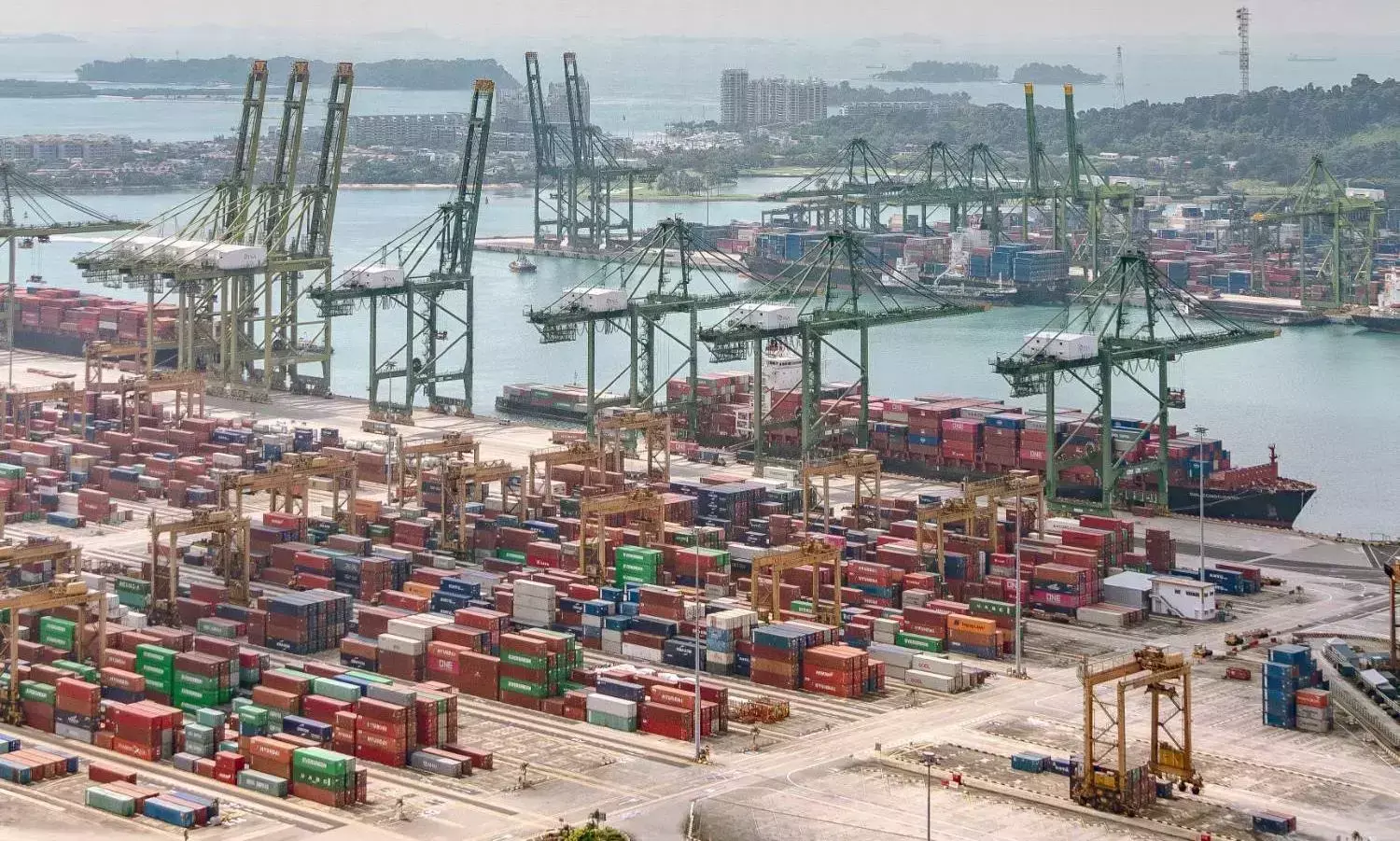


Global container vessel schedule reliability fell to 56.4% in July 2026, down 6.1 percentage points month on month, according to Sea-Intelligence. This was the sharpest single-month decline since January 2021, with congestion across major Asian ports driving the fall.
The average delay for late vessel arrivals also increased to 6.06 days, up by 0.59 days from the previous month. All 14 of the region’s busiest ports recorded a decline in on-time vessel arrivals.
Yantian recorded the largest fall in schedule reliability, dropping by 23.5 percentage points to 48.3%. Hong Kong fell by 20.4 percentage points to 51.6%, while Ningbo declined by 20.1 percentage points to 34.6%.
Shanghai also saw a sharp decline, with schedule reliability falling by 19.2 percentage points to 21.0% in July. Sea-Intelligence said this was the lowest level recorded at the port in 14 years, outside extreme pandemic-era supply chain disruptions.
Singapore recorded schedule reliability of 43.2% after a 5.7 percentage point monthly decline. Port Klang recorded reliability of 33.3%, while Busan fell to 40.9%.
Sea-Intelligence said more than half of incoming vessels at the region’s busiest ports were delayed. It said the resulting backlog would cascade through the maritime network and could trigger a new wave of delays on critical head-haul trade lanes in the coming months.