
PM Modi inaugurates 594-km Ganga Expressway linking Meerut-Prayagraj
Project to cut logistics costs, boost freight efficiency and create 3 lakh jobs over the next decade
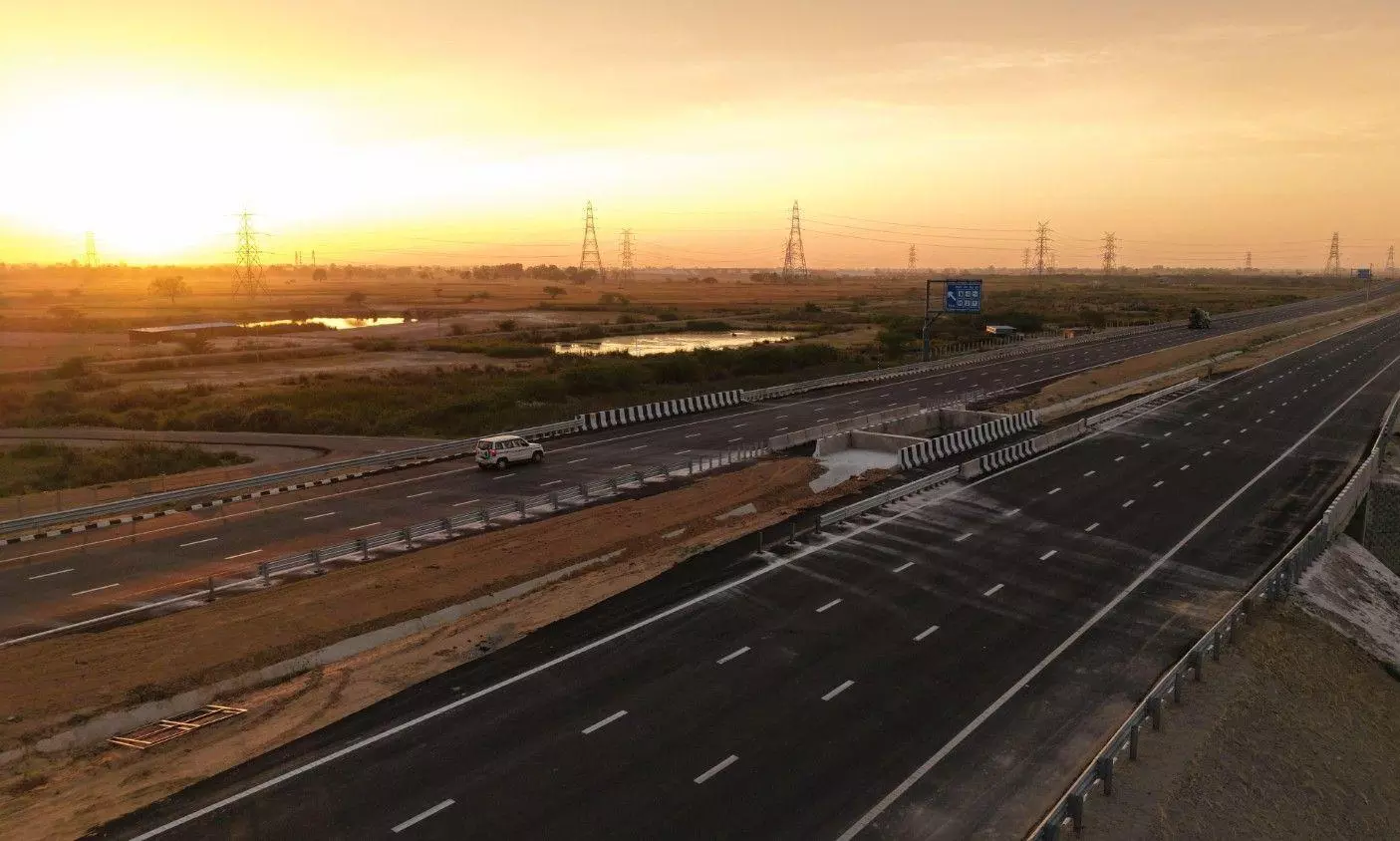


Prime Minister Narendra Modi on April 29 inaugurated the 594-km Ganga Expressway, one of India’s largest greenfield infrastructure projects, completed in less than 3.5 years and connecting Meerut in western Uttar Pradesh with Prayagraj in the eastern region.
The expressway is aimed at unlocking the economic potential of eastern Uttar Pradesh while strengthening the country’s logistics network. It is expected to reduce logistics costs towards single digits, improve freight efficiency and enable faster transit with reduced turnaround times. The corridor also features AI-enabled camera systems to provide advanced alerts and enhance road safety.
A 3.5-km stretch in Shahjahanpur district has been developed as an Emergency Landing Facility for the Indian Air Force, adding strategic capability alongside its commercial and logistics role.
The project has been developed under a public-private partnership by the Uttar Pradesh Expressways Industrial Development Authority, with private investors taking on traffic and revenue risks. Adani Road Transport Limited executed 464 km, nearly 80 per cent of the project, while IRB Infrastructure developed the remaining 130 km.
The six-lane, access-controlled corridor, expandable to eight lanes, is aligned with national infrastructure initiatives such as PM Gati Shakti, the National Infrastructure Pipeline and the Bharatmala programme.
According to the Uttar Pradesh government, the expressway is expected to generate annual logistics savings of ₹25,000–30,000 crore, create around 3 lakh jobs over the next decade and contribute over ₹1 lakh crore to the state’s GDP. It is also expected to reduce inventory holding costs and improve overall supply chain efficiency.
The corridor is designed to improve average vehicle speeds and reduce turnaround time for freight operators, leading to lower transit costs, better reliability and increased freight movement across supply chains.
Strategically, the expressway integrates industrial clusters, defence manufacturing, agricultural belts and logistics hubs, while strengthening multimodal connectivity across ports, airports and road networks. It is expected to benefit over 8 crore people by improving connectivity and supporting economic growth across the state.
The 594-km corridor connects 12 districts and 519 villages, linking Prayagraj to Meerut. Travel time between the two cities is expected to reduce from 11 hours to about six hours, with fuel savings of approximately 30 per cent.
The Uttar Pradesh government is also developing 11 industrial corridors across districts including Meerut, Hapur, Bulandshahr, Amroha, Sambhal, Badaun, Shahjahanpur, Hardoi, Unnao, Rae Bareli, Pratapgarh and Prayagraj, aimed at generating large-scale employment over time.
In addition, the expressway will connect seven major tourist destinations such as Garhmukteshwar, Kalkidham, Belhadevi, Chandrika (Shakti Peeth) and Triveni Sangam, supporting the region’s spiritual tourism economy.