
Indian Railways approves ₹4.4 bn South Eastern Railway project
The 14.52 km project will add 3.52 MTPA freight capacity, ease congestion on a high-utilisation route and improve operational flexibility.
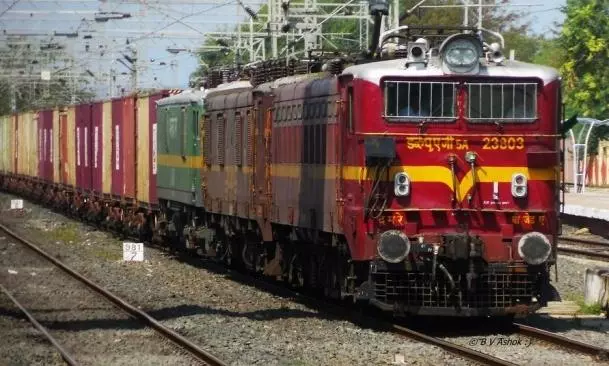


Indian Railways has approved the construction of a 14.52 km third line between Nimpura West Outer Cabin and Midnapur on South Eastern Railway in West Bengal at a cost of ₹4.4 billion. The project aims to increase freight capacity on one of the country's important rail corridors and improve the movement of key commodities.
The section is part of the High Utilisation Network (HUN-2), where the Nimpura West Outer Cabin-Gokulpur stretch is currently a single line and doubling works are already under way. The additional third line is expected to increase line capacity and improve operational flexibility on this strategically important freight route.
The corridor currently handles nearly 23.80 million tonnes per annum (MTPA) of freight, transporting commodities including coal, iron ore, manganese, containers, clinker, pellet iron, iron and steel, wheat, stone, sleepers, slag, salt, rice, petroleum products, limestone, gypsum, fertilisers, edible oil, chemical salt, charcoal, cement, ballast and ash.
The existing section is operating at 115.71% line capacity utilisation, resulting in heavy congestion. The third line will create additional capacity to support growing freight demand while improving the efficiency of cargo movement across the corridor.
Once completed, the project is expected to facilitate an additional 3.52 MTPA of freight traffic. It will strengthen the movement of coal, iron ore, steel, cement and other essential commodities, reduce operational bottlenecks, improve network reliability and enhance connectivity for industries and businesses dependent on the route.
The approval is part of Indian Railways' ongoing efforts to expand capacity on high-density freight corridors and support the growing transportation needs of industries through a more efficient rail network.