
Why visibility matters more than speed in e-commerce logistics
Uncertain demand, multiple partners and returns make tracking and transparency critical to meeting customer expectations.
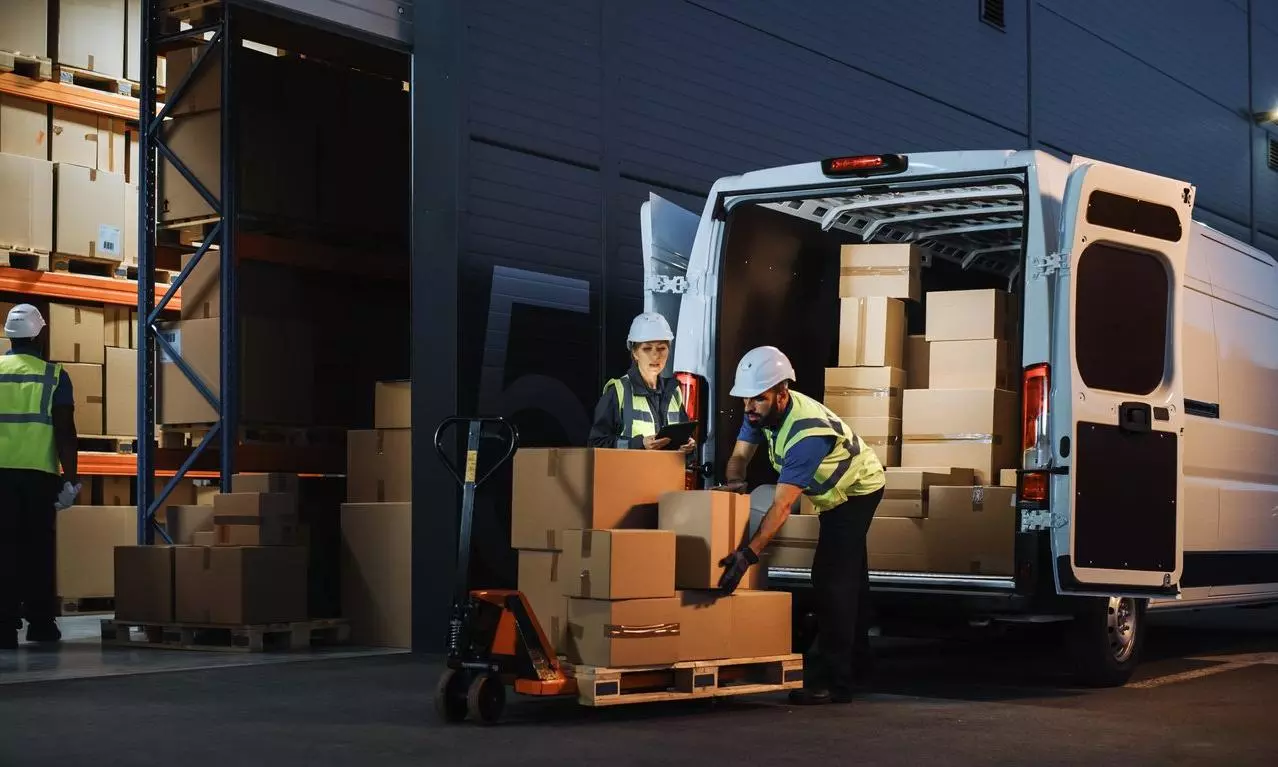


For years, e-commerce logistics has been driven by speed. Same-day and next-day deliveries have become standard promises across platforms. However, industry leaders say that speed alone no longer defines customer satisfaction. What matters more today is visibility.
Customers are willing to wait if they know what is happening to their order. Clear tracking, regular updates and honest delivery timelines now shape trust more than how fast a parcel moves.
Keeping the promise matters more than rushing the parcel
Logistics providers say the real issue is not delivery time but delivery accuracy. “If it is a five-day service and you deliver it in five days, there is no problem,” said Enes Yilmaz, CEO of Widect, during a panel discussion at the India International Cargo Show (IICS) 2025, a leading industry platform that brings together global air cargo, logistics and supply chain stakeholders, held on 12 December 2025. “But if it is a next-day service and it takes three days, that is a big problem.”
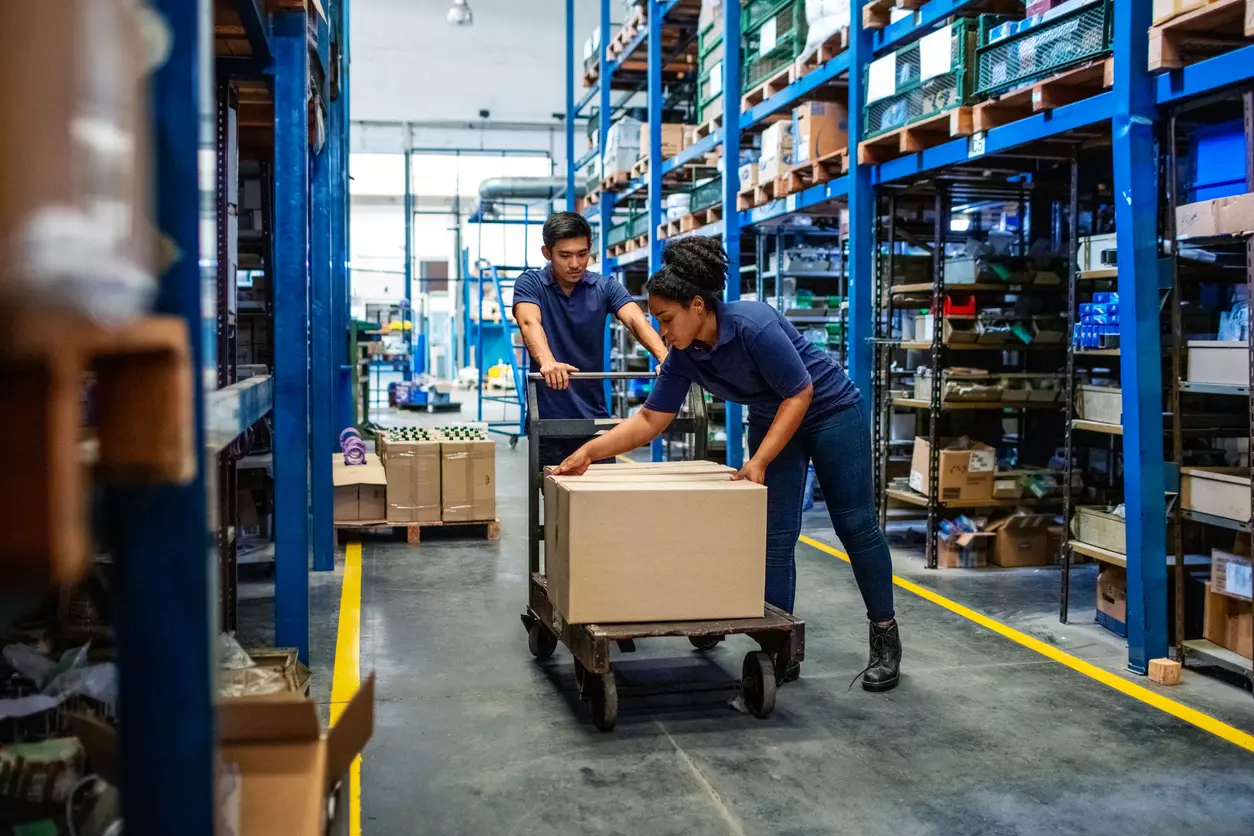
According to him, customers want to see the full journey of their shipment. “They want to know what is happening from the first pickup to delivery,” Yilmaz said. “You should show everything.”
Demand volatility has made this even more critical. “In air cargo, peak differences are around 25 to 30%,” he said. “In e-commerce, volumes can increase 5 or 6 times in a short period.”
Without strong IT systems, managing this is impossible. “Your IT system should help with demand estimation and capacity planning,” Yilmaz said. “That is how you manage air freight, last mile and operations together.”
Visibility is easier in last mile, harder across borders
While last-mile tracking has improved, cross-border shipments remain complex due to multiple partners and systems.
Atul Kumar Rai said customer expectations often exceed operational limits. “Some customers expect delivery even when it is not possible,” said Atul Kumar Rai, General Manager – Operations at Fossil Group, recalling a case where a customer expected Sunday delivery despite clear timelines.
“When the shipment was already in transit, cancellation was not possible,” Rai said, highlighting how expectations continue to rise in D2C logistics.
For B2B customers, however, visibility reduces friction. “We show what inventory is available in India and what is in Hong Kong,” he said. “Once customers see this clearly, they understand longer lead times.”
India’s logistics visibility is uneven, but improving fast
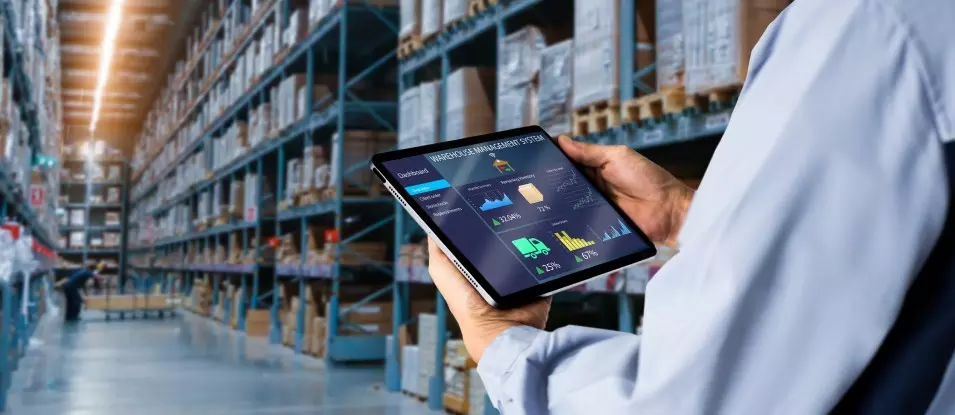
India’s organised e-commerce delivery networks have made strong progress on tracking and data sharing. “Courier partners today have very reliable technology stacks,” said Avinash Dhagat, Chief Supply Chain Officer at Honasa. “Information flows seamlessly through APIs, and companies usually know exactly where the shipment is.”
The bigger challenge lies in traditional trucking and regional transport. “A few years ago, visibility was limited unless you worked with large players,” Dhagat said.
This is changing due to technology and infrastructure upgrades. “GPS, SIM tracking and toll-based data have improved visibility,” he said. “Every toll crossing now generates information that can be used centrally.”
Returns and COD are driven by intent, not movement
Returns and failed deliveries are often seen as logistics issues, but Dhagat said the root cause is different. “This is not a logistics problem. It is an intent problem,” he said. With data and algorithms, companies can predict which orders are likely to be returned. “You can identify high-risk shipments early,” Dhagat said.
This has led to smarter COD policies. “Some customers may not see the COD option,” he said. “Others may see partial COD, based on behaviour and location.”
India has built strong operational capability for handling returns. The next phase is smarter processing. “Quality checks should happen closer to demand centres,” Dhagat said. “That reduces cost and improves efficiency.”
Visibility also protects cost and customer loyalty
Visibility also plays a key role in controlling costs and improving customer experience. “Running deliveries 7 days a week actually saves money across the supply chain,” said Kishore Lanka, Director – India Operations at Amazon Air Cargo. “You avoid Monday peaks and reduce backlogs.”
Customers are also easier to serve when they know what is happening. “Contact centre calls reduce when deliveries are predictable,” he said. “Customers return when their experience is consistent.” Speed still matters, especially during festive peaks, but it works best when supported by planning and transparency.
The future belongs to visible supply chains
Cross-border e-commerce will continue to grow despite regulatory challenges. “Customer expectations are increasing,” said Yilmaz. “We must digitalise more and use data better.”
He added that poor asset use is the biggest cost driver. “Not utilising staff and aircraft properly increases cost,” he said. “With good data and reporting, services become faster and cheaper.”