
QodeNext automates vehicle management with intelligent solutions
QodeNext’s solutions automate vehicle entry, exit, parking and weighbridge operations to improve flow, visibility and data management.
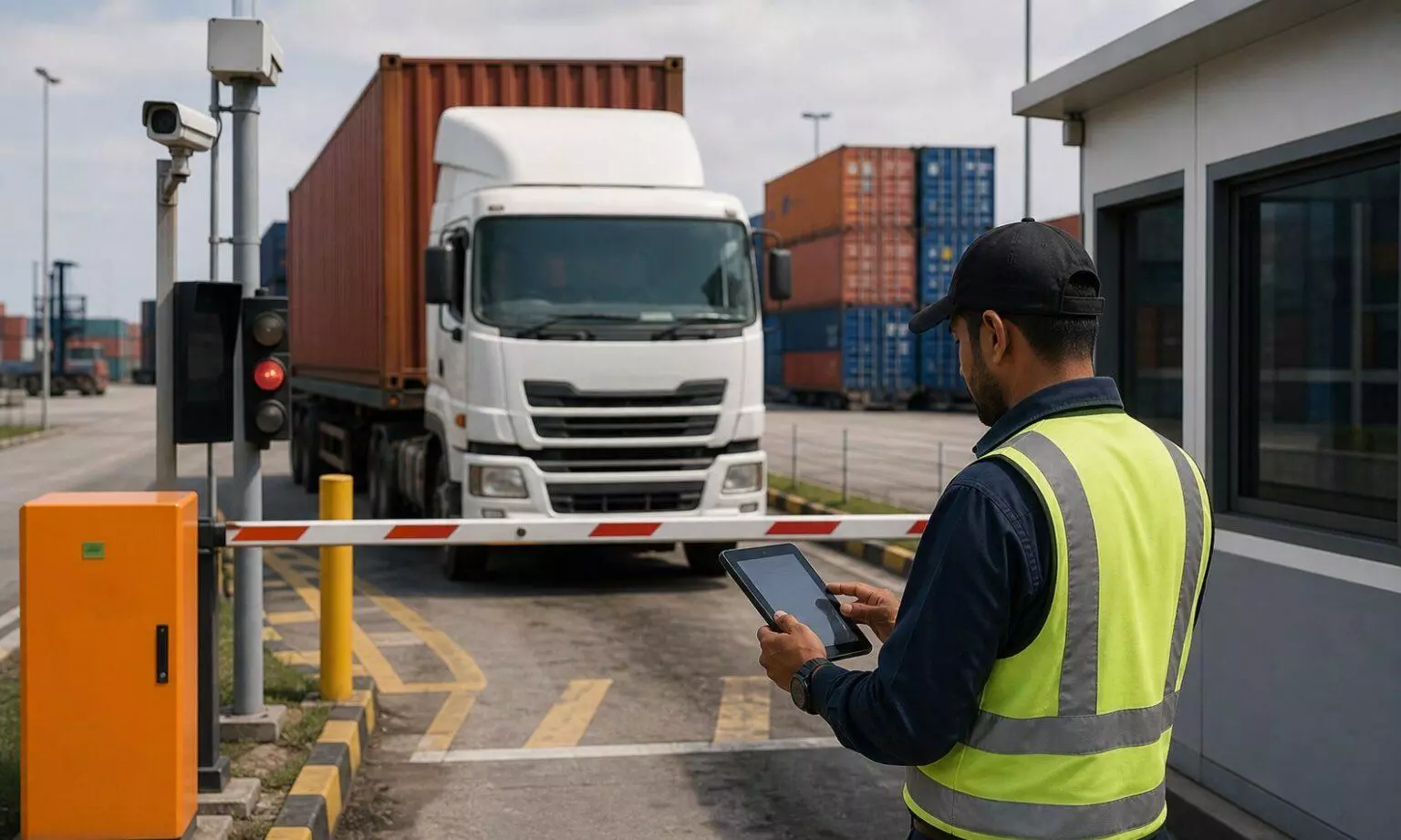


QodeNext has introduced intelligent vehicle management solutions to automate vehicle entry and exit, parking and weighbridge operations across transport, logistics and industrial environments.
The solutions are designed to streamline vehicle movement, reduce manual intervention and provide organisations with greater visibility and control over vehicle activity. They combine intelligent automation with real-time monitoring and control capabilities.
According to QodeNext, vehicle movement involves multiple stages that require coordination between people, processes and infrastructure. Manual handling at these touchpoints can lead to operational delays, fragmented information and inconsistencies in data capture.
The company said its solutions connect and automate critical processes, helping operators manage vehicle movement more efficiently. By automating routine tasks, the systems can support faster processing, improve coordination and create a more consistent flow of information across different stages of vehicle movement.
“Vehicle management is an integral part of operations across industries, yet several processes continue to depend heavily on manual intervention. Our focus is to use smart automation to simplify these processes, improve visibility and enable organisations to manage vehicle movement with greater efficiency and control,” said S.R. Srinivasan, CEO, QodeNext.
“By connecting critical vehicle management touchpoints, we aim to help businesses reduce operational friction while improving safety and the overall experience for operators and users,” he added.
The solutions are designed for logistics hubs, manufacturing plants, commercial complexes and public infrastructure. QodeNext said their scalable approach allows organisations to address different operational requirements while improving vehicle flow, asset utilisation and coordination across facilities.
The move comes as organisations increasingly adopt automation beyond core production and supply chain processes, extending technology to physical infrastructure and operational workflows. Greater visibility into vehicle movement and improved data capture can also support reporting, compliance and operational decision making.