
Kandla Port advances methanol bunkering for green shipping push
Kandla Port develops methanol bunkering, boosting India’s green shipping and net zero goals by 2050
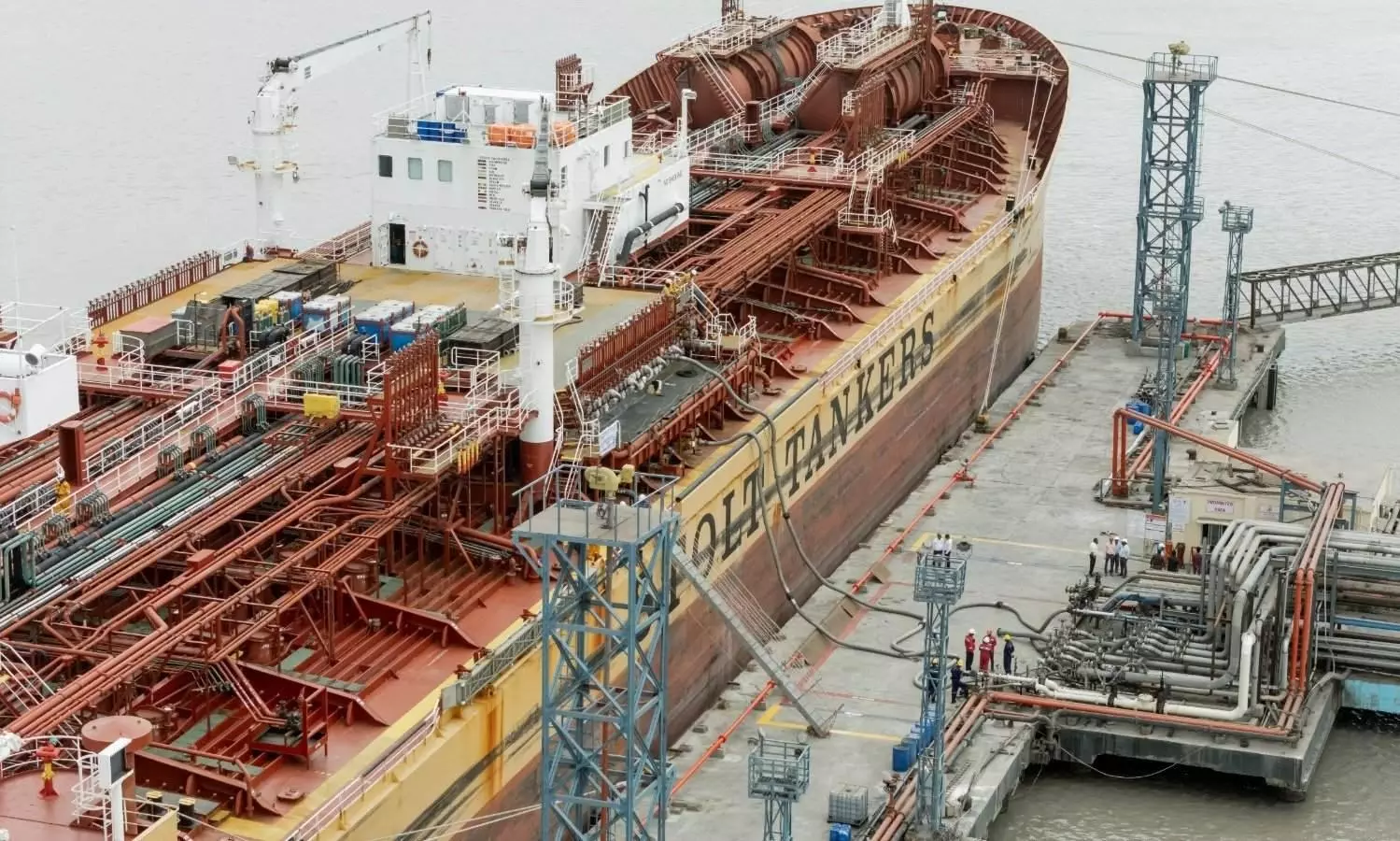


Deendayal Port Authority has advanced its methanol bunkering capabilities, marking a key step in India’s efforts to decarbonise the maritime sector and align with the global target of achieving net-zero emissions by 2050. The initiative focuses on adopting low-carbon fuels such as e-methanol and e-ammonia to reduce greenhouse gas emissions in shipping.
Union Minister of Ports, Shipping and Waterways Sarbananda Sonowal said the development reflects India’s commitment to sustainable maritime growth under the leadership of Narendra Modi. He said the milestone demonstrates India’s resolve to lead the transition towards green shipping by adopting cleaner fuels and building future-ready infrastructure, while improving efficiency and competitiveness.
Located on India’s western coast, Kandla Port has long handled grey methanol as cargo and already has infrastructure such as tank storage, pipelines and jetties. Building on this, the port is now developing dedicated methanol bunkering facilities.
To assess readiness, the port engaged DNV Maritime Advisory Services to evaluate its infrastructure and safety and regulatory frameworks. Following the assessment, the port was rated Level 6 on the Port Readiness Level scale set by the International Association of Ports and Harbors for methanol bunkering.
On April 2, 2026, the port carried out a trial shore-to-ship methanol bunkering operation to validate its infrastructure and processes. The trial was conducted with industry partners including Stolt Tankers, J M Baxi, Aegis Vopak and Indian Oil Corporation Ltd. The exercise confirmed the effectiveness of bunker transfer processes, safety systems and regulatory compliance, with DNV verifying alignment with global standards.
Sonowal said the initiative would strengthen India’s position in emerging global trade corridors and support long-term economic growth. He added that such developments would reduce emissions while creating opportunities for investment, technology collaboration and job creation, supporting the vision of achieving net-zero emissions by 2050.
The port is now working to ensure the availability of around 500 KTPA of Renewable Fuels of Non-Biological Origin compliant e-methanol by 2028-29. This supply is expected to support deep-sea dual-fuel vessels operating on the Asia-Europe trade corridor.
Following the successful trial, Kandla Port plans to move to ship-to-ship methanol bunkering in the next phase, further strengthening its operations. The progress is expected to help position India as a key hub in emerging green shipping corridors and support the development of a cleaner and more resilient maritime sector.