
Allcargo Logistics boosts FMCG supply chains with tech-driven PTL
Allcargo Logistics rolls out tech-led PTL solutions to help FMCG firms manage fragmented supply chains and demand shifts.
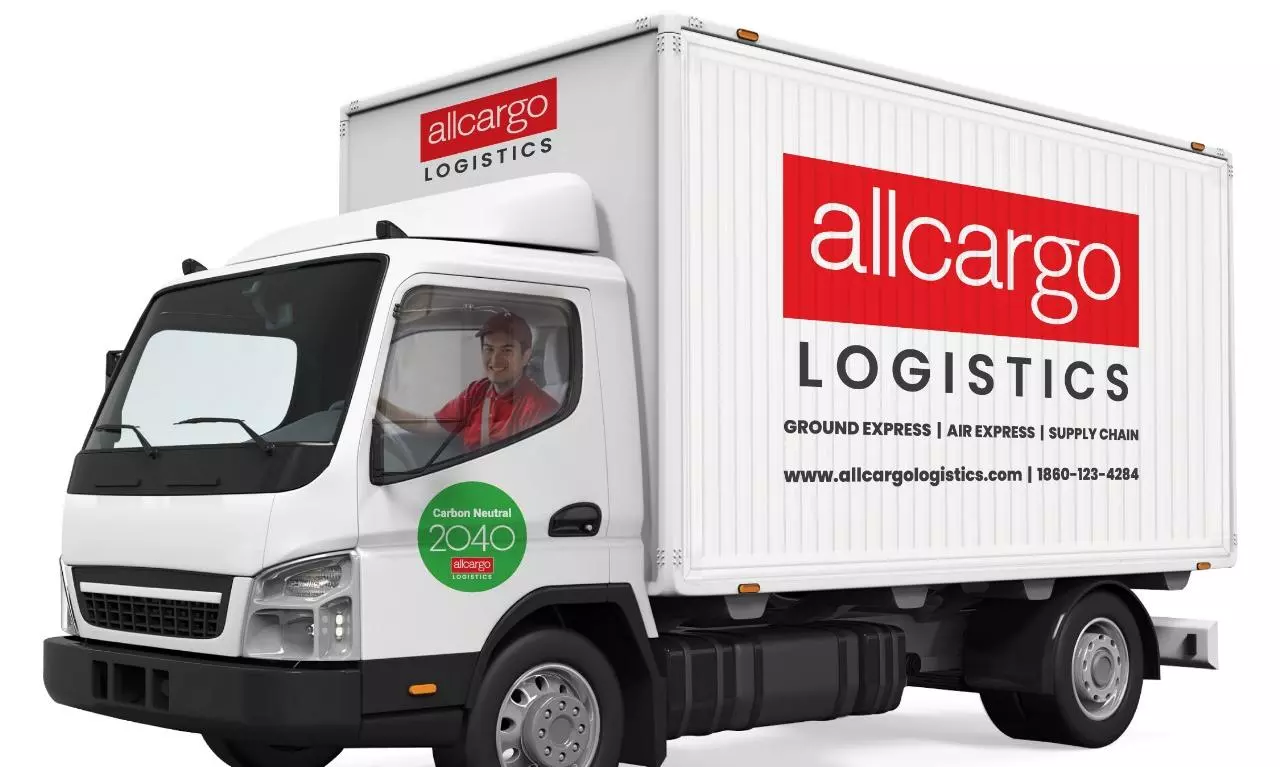


Allcargo Logistics Limited has announced an initiative to help FMCG companies manage increasingly fragmented inventory flows through integrated, technology-driven logistics solutions.
The move comes as India’s fast-moving consumer goods (FMCG) sector undergoes rapid transformation. With expanding product portfolios and evolving consumer preferences, supply chains are becoming more complex, making efficient inventory management and agile logistics capabilities critical.
The company said the FMCG landscape is shifting away from high-volume, uniform product movement. As companies introduce new products and acquire startups, demand patterns are becoming more segmented, resulting in smaller shipment sizes and more frequent replenishment cycles. This is driving the adoption of Part Truck Load (PTL) logistics over traditional Full Truck Load (FTL) models for several distribution needs.
FMCG supply chains, which earlier followed a linear structure from manufacturing units to depots and then to distributors and retailers, are now seeing multi-directional inventory movement across states, warehouses and consumption centres. This change requires higher coordination and operational flexibility.
Allcargo Logistics said it is addressing these challenges by redesigning supply chain frameworks through network optimisation, technology integration and transportation planning.
Ketan Kulkarni, MD & CEO, Allcargo Logistics, said the FMCG sector is undergoing a structural shift, requiring supply chains to be more responsive, flexible and data-driven. He added that the company is focused on enabling this transition through integrated solutions that improve visibility, efficiency and support business growth.
With an operational footprint covering more than 32,000 pin codes across Bharat, the company facilitates interstate movement of over 60,000 packages every month for organisations across industries.
Its network allows FMCG companies to route shipments based on demand patterns, warehouse inventory and dispatch locations, helping balance inventory across regions. For interstate routes, this includes inter-depot transfers to manage demand spikes in specific states. This enables movement of inventory without waiting to consolidate a full truck load, allowing faster response to demand while reducing the risk of overstocking.
The company also highlighted the growth of startup-backed FMCG brands targeting Gen Z and health-conscious consumers, which has increased the number of SKUs with lower volumes and higher frequency requirements, making traditional FTL movement less viable.
To support this shift, Allcargo Logistics is offering PTL services that allow flexible and cost-efficient movement of smaller consignments. The approach improves truck utilisation, reduces idle capacity and enables faster inventory rotation. By consolidating shipments from multiple customers into a single vehicle, PTL helps reduce transportation costs and supports more frequent dispatch cycles.
The company is also integrating technology across the supply chain, with advanced tracking systems providing end-to-end shipment visibility. This allows companies to monitor inventory movement, anticipate disruptions and optimise replenishment cycles.
Allcargo Logistics follows global standards including ISO 9000 for quality management, ISO 14000 for environmental responsibility and ISO 45000 for occupational health and safety.
As FMCG companies expand across India’s consumption markets, the company said organised logistics partners will play a critical role in building resilient and adaptable supply chains.