
Air freight needs fairer access to airport slots, says IATA chief
IATA warns cargo airlines face limited slots despite moving $8 trillion of goods annually and supporting global industries.
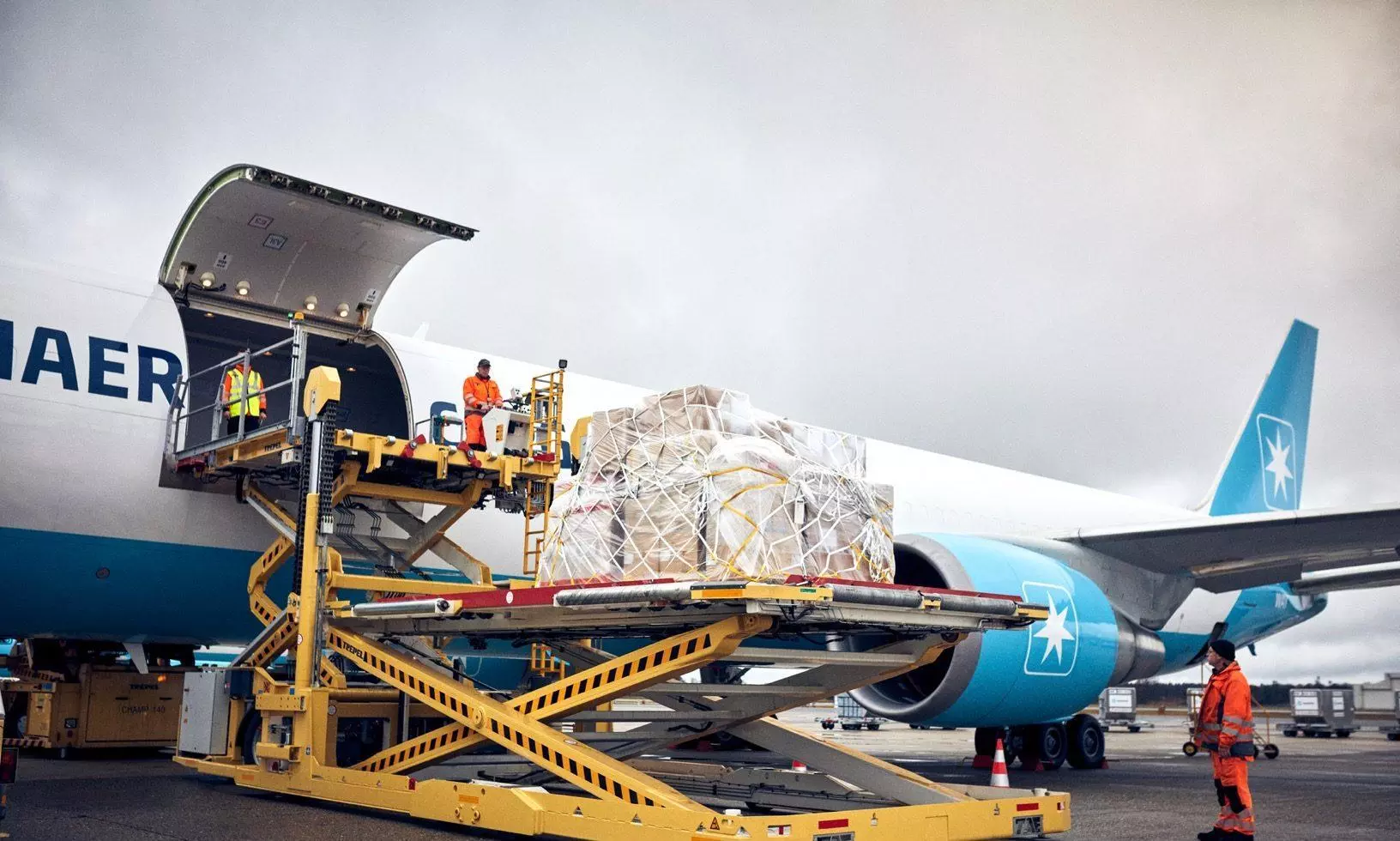


Air freight is vital to global trade and society, yet it often loses out when it comes to airport slot allocation, says Brendan Sullivan, IATA’s Global Head of Cargo. He highlighted that, despite its growing importance to the world economy, air cargo is increasingly relegated to the back of the line for coordinated slot access.
Air cargo is a key driver of world trade. While it accounts for just 1% of global trade by volume, it represents 35% of its total value. Each year, air freight moves goods worth around $8 trillion—nearly twice Japan’s GDP. Industries ranging from aviation and healthcare to electronics and luxury goods depend on its speed, safety and reliability to meet tight deadlines and business requirements.
The rapid growth of e-commerce has further increased the demand for air cargo. Businesses of all sizes depend on just-in-time air freight to cut storage costs and reach markets quickly, allowing even small exporters to compete globally. Behind this activity is a wide network that ensures high-value goods reach their destinations on time, often under significant pressure. Air cargo also serves as a social lifeline, delivering urgent aid and essential supplies during crises.
However, despite its importance, air cargo still faces major obstacles in securing fair airport slot access. Many airports, including Bogotá and Dubai, only grant cargo airlines temporary ad hoc slots instead of historic ones. In China, cargo flights are limited to midnight–6 a.m. operations. Major UK airports such as Heathrow and Gatwick also deny historic slots to cargo operators, restricting their flexibility.
Parking rules make operations even more challenging. In Hong Kong, for instance, cargo flights may get shorter parking allowances than passenger services—10 hours instead of 12. Local regulations, voting systems that favour passenger airlines, and operational limits such as curfews, separation windows, or outright bans in cities like Mexico City or Mumbai add to these difficulties.
Sullivan noted that cargo is often sidelined in slot allocation because passenger airlines hold greater influence in coordination committees. This is due to their higher visibility and frequent schedules. Infrastructure constraints and local rules also contribute to a complex environment that cargo operators must navigate.
These challenges arise from local regulations rather than global standards. The IATA Worldwide Airport Slot Guidelines call for fair, transparent and non-discriminatory slot allocation, regardless of the type of flight. Sullivan said regulators, airports and slot coordinators should align their local policies with these principles. He added that ring-fencing slots for cargo is not the answer, as it can create inefficiencies. Instead, airports should focus on maximising capacity for all users.
As global trade expands and demand for fast delivery grows, the importance of air cargo will continue to rise. Ensuring fair slot access is not only about improving efficiency but also about supporting the needs of a rapidly changing world. Sullivan said that everyday services—from next-day deliveries to emergency aid—depend on air cargo, which remains a vital but often overlooked force driving global progress and connection.