
UN clears path for single negotiable cargo document across transport modes
New UN treaty enables a single negotiable cargo document across all transport modes, boosting trade efficiency and finance
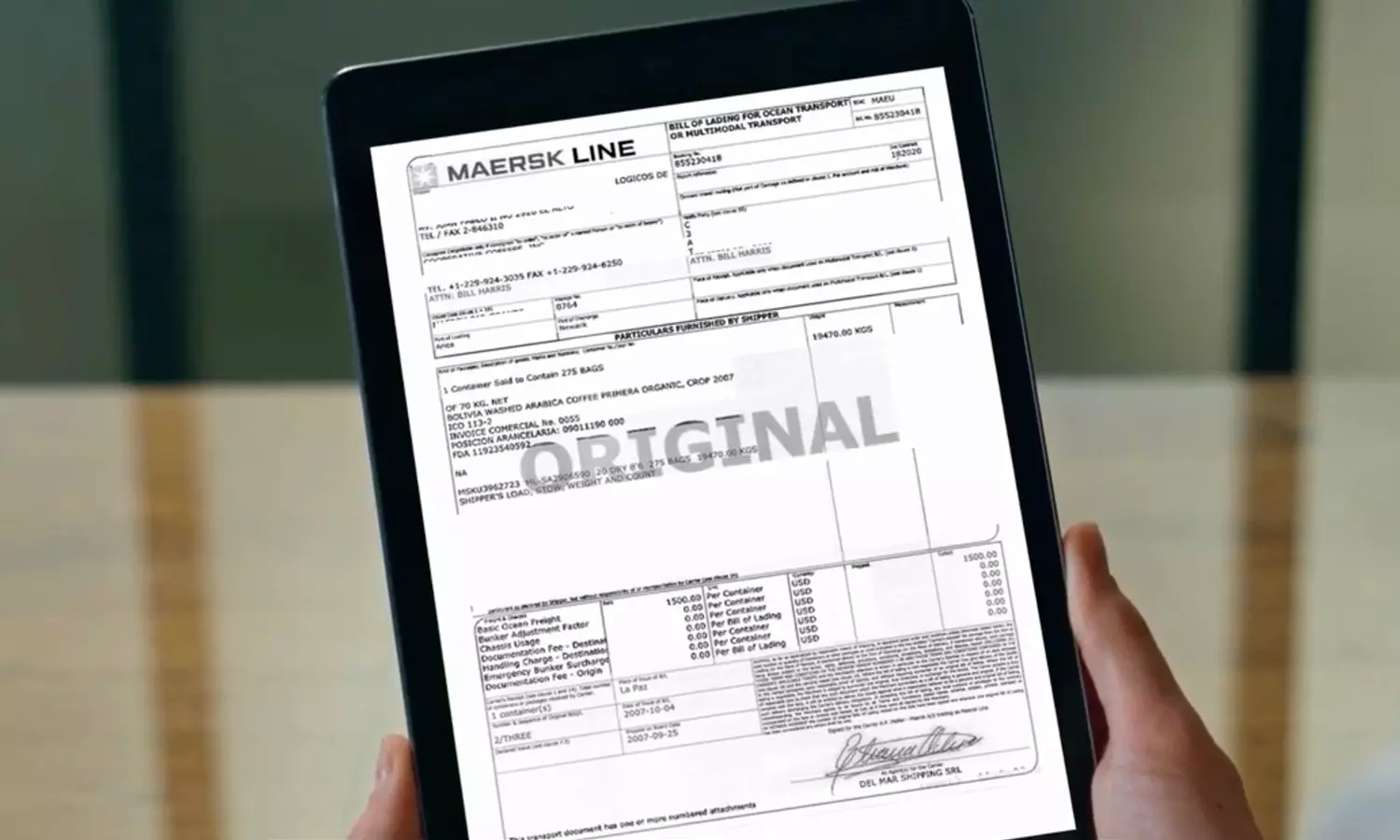


The United Nations General Assembly has adopted a landmark treaty aimed at reshaping the legal foundations of global trade, extending the long-established benefits of maritime bills of lading to all modes of transport. Adopted on 16 December in New York, the United Nations Convention on Negotiable Cargo Documents allows goods moved by road, rail, air or sea to be represented by a single negotiable document, available in both paper and electronic form.
For the first time, traders will be able to rely on one legally recognized cargo document for an entire door-to-door journey, regardless of how many modes of transport are involved. This represents a significant shift from the fragmented documentation systems that currently govern multimodal transport, often increasing costs, delays and legal uncertainty.
The Convention introduces a new category of cargo document that allows goods to be bought, sold or pledged as collateral while in transit. By enabling negotiability beyond the maritime sector, the framework is expected to improve access to trade finance, particularly for micro-, small- and medium-sized enterprises that often struggle to unlock working capital once goods leave the factory.
Because a single document can cover the full transport chain, the system reduces administrative duplication, supports faster customs clearance and helps shipments continue moving even when routes or transport modes change unexpectedly. The Convention also supports the transition to digital trade by explicitly recognizing electronic negotiable cargo documents, aligning legal practice with the rapid digitization of supply chains.
In practical terms, the new framework is expected to benefit a wide range of stakeholders, including logistics providers managing complex multimodal operations, banks and insurers assessing risk, digital trade platforms processing shipment data, and governments seeking to streamline border procedures. Its impact could be particularly significant in the Global South, where access to finance and efficient trade infrastructure remains uneven.
“This adoption closes a long-standing legal gap and makes global trade faster, safer and more accessible, supporting sustainable economic growth,” said Tomasch Kubiak of the International Chamber of Commerce Banking Commission, noting that negotiability can “travel with the goods, whether by road, rail, air or sea”.
Beate Czerwenka, Chair of the UNCITRAL Working Group VI that developed the Convention, described it as a major step toward a more resilient and digitalized trade ecosystem, with the potential to improve access to finance and help landlocked economies integrate more fully into global supply chains.