
Diwali lifts MESA air cargo volumes 10% despite Gulf conflict
Capacity to and from South Asia rose 4% week on week in the week ended 1 November, ahead of India's Diwali holiday period, contributing to a 2% increase in overall MESA capacity.
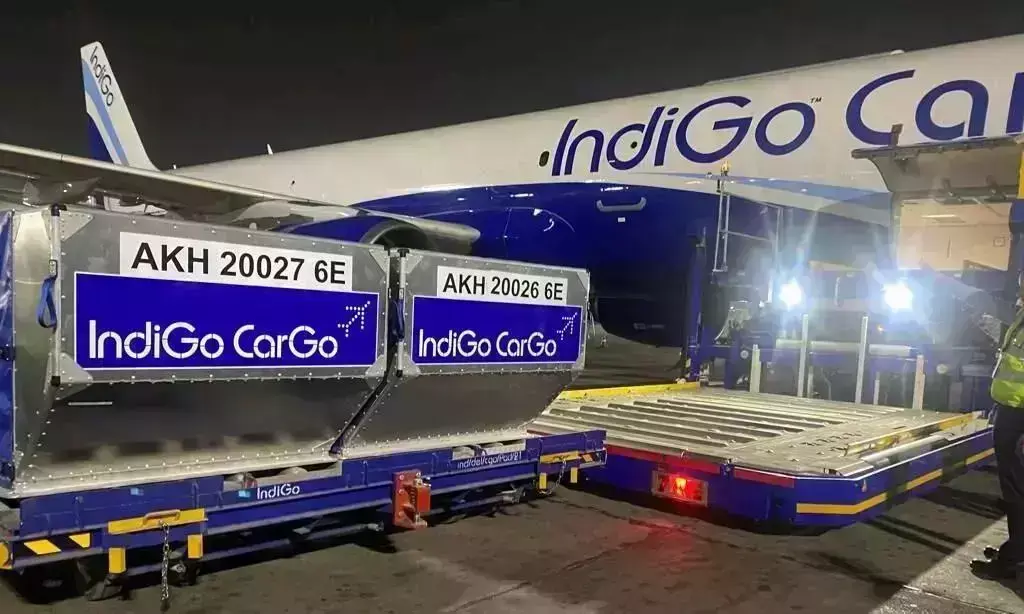


Air cargo volumes from the Middle East & South Asia (MESA) region grew 10% year on year in October, driven largely by strong demand for Indian air exports ahead of Diwali. The growth came despite continuing capacity and volume challenges in the Arabian Gulf due to the US-Iran conflict. Capacity to and from South Asia rose 4% week on week in the week ended 1 November, ahead of India's Diwali holiday period, contributing to a 2% increase in overall MESA capacity, according to the latest figures from WorldACD Market Data.
"The growth from MESA origins, despite ongoing challenges to Arabian Gulf capacity and volumes due to the US-Iran conflict, mainly reflects continuing strong demand for air exports from India, which in October was also boosted by the later timing of India’s Diwali holiday period – taking place this year around 6-11 November compared with 18-23 October last year," reads the release. Meanwhile, average full-market rates (spot and contract) from MESA origins increased 2% month on month in October and were up 60% year on year. Spot rates from the region also climbed 59% year on year.
Global air cargo tonnages in October grew by +6% compared with their level this time last year as growth in most parts of the world offset steep declines in China-to-Europe volumes and continuing challenges due to the conflict in the Arabian Gulf.
Preliminary full-month figures for October, based on the more than 2 million monthly transactions covered by WorldACD’s data, indicate that the +6% year-on-year (YoY) rise in October was led by YoY chargeable weight increases of +10% from both Africa and Middle East & South Asia (MESA) origins, a +7% YoY rise from Asia Pacific, +5% growth from North America origins, and a +4% YoY increase from Europe, with Central & South Asia (CSA) volumes stable compared with the equivalent month last year. Tonnages in October also increased by +5% compared with September, thanks to increases from all the world’s main air cargo origin regions, including a +9% month-on-month (MoM) tonnage increase from Africa, +6% rises from North America, Europe, and CSA, a +4% MoM rise from Asia Pacific origins and +3% from MESA.
Middle East & South Asia (MESA) recorded an 11% year-on-year increase in chargeable weight in the latest two weeks, despite a 4% decline in capacity. Rates from the region rose 61% year on year, the steepest increase among all origin regions. (Source: WorldACD)
Worldwide rates in October rose +5%, month on month, and +29%, year on year
On the pricing side, average worldwide full-market rates, a mix of spot rates and contract prices, rose by +5% in October compared with the previous month, including +6% MoM increases from Asia Pacific and Europe origins, a +3% rise from North America and +2% MoM increases from MESA and Africa, while CSA average rates were stable. Compared with last October, average worldwide rates in October were up by +29%, YoY, including a +60% rise from MESA origins, +29% YoY increases from Europe and Africa, a +27% increase from Asia Pacific origins and a +24% increase from North America.
Average spot rates globally rose by +6%, month on month, thanks to strong MoM increases from several of the world’s origin regions including Africa (+15%), North America (+9%), Europe (+8%) and Asia Pacific (+6%, MoM), taking average worldwide air cargo spot rates to US$3.67 per kilo, +37% higher than in October 2025. The big MoM rise in October from Africa origins took average spot rates to $3.11 per kilo, +60% higher than last October, as constrained capacity and high fuel surcharges combined with relatively strong demand at the start of the continent’s perishables export season. Spot rates from MESA in October were up by +59%, YoY, and from North America by +53%, with spot rates from Europe up by +35% and from Asia Pacific up by +33%, YoY.
China to Europe demand remained depressed in October
The strong growth in overall worldwide tonnages in October comes despite continuing steep declines in China-to-Europe volumes since the 1 July ending of ‘de minimis’ exemptions for lower-value cargo imports into the European Union (EU), with wider Asia Pacific demand and rates continuing to rise in October. Overall volumes from China & Hong Kong to Europe in October were down by -17%, year on year, with tonnages from mainland China origins down by -8%, YoY, while volumes from Hong Kong – a strong origin point for e-commerce platforms – were down by almost one third (-32%). Last year October was a particularly strong month for Hong Kong tonnages to Europe, but Hong Kong-to-Europe volumes in October this year were also more than -20% down compared with their levels in May and June, just prior to the change in EU import rules.
Many European e-commerce air logistics specialists believe the developments reflect a structural shift, as major international e-commerce platforms make greater use of consolidated business-to-business (B2B) import models for low-value shipments, including via ocean or other transport modes, rather than flying individual business-to-consumer (B2C) parcel shipments. An additional €2 per item handling fee for EU imports from 1 November is expected to further limit EU e-commerce air import volumes, which had been a key driver of China-Europe air cargo growth in recent years, although seasonal demand and the continued strength of underlying European e-commerce demand are expected to partly offset that effect.
In comparison, total air cargo tonnages from China & Hong Kong to the US in October were up by +8%, YoY, with growth from mainland China of +9%, YoY, and from Hong Kong of +4%. These growth figures are notable, because October last year saw strong volumes when demand had rebounded following the initial challenges posed by last year’s fast-changing import tariffs and de minimis rules in the US. Compared with the previous month, September 2026, total volumes from China to the US in October 2026 were around +8% higher, while volumes from China to Europe were up by around +4%, MoM.
Average rates, meanwhile, from China to Europe regained a further +9% in October compared with the previous month, increasing to $4.85 per kilo. That takes them +14% higher, year on year, although they remain around -7% down compared with their level in May and June. From China to the US, rates increased by +7% in October, month on month, to $6.47 per kilo, taking them +30% higher than in October last year and back close to their levels in May and June.
Global air cargo chargeable weight remained stable week on week in the week ended 1 November, while the average rate rose to US$3.38 per kg, compared with US$2.58 per kg in the corresponding period last year. (Source WorldACD)
Belly capacity drops -3% at the start of airlines’ winter schedule
Looking specifically at last week (week 44, from 26 October to 1 November), the first full week since the start of the airline industry’s winter schedule, worldwide total air cargo capacity in week 44 was broadly stable, with a +3% increase in freighter capacity offset by a -3% drop in passenger bellyhold capacity. The biggest belly capacity declines fell on the transatlantic from Europe to North America, and within Europe. Capacity from Europe origins as a whole fell by -6%, week on week (WoW), offset by WoW increases from Africa (+4%, WoW) Asia Pacific (+3%), and MESA (+2%).
Compared with their level in late February (week 7), just prior to the start of the US-Iran conflict, total worldwide capacity in week 44 was up by +1%, with declines of -12% to & from MESA, -6% to & from CSA, and -3% to & from Africa, being offset by increases of almost +10% to & from North America and +8% to & from Europe.
Within the +2% WoW increase in capacity from MESA in week 44, capacity to and from South Asia rose by +4%, WoW, in the lead up to India’s Diwali holiday period, and there was a further +2% WoW rise in capacity to and from the Arabian Gulf area, despite the continuing tensions in the region, including the continuing near shutdown of flights to and from Riyadh in Saudi Arabia. Overall capacity to and from MESA in week 44 was down by almost -13% compared with its level prior to the US-Iran war, with capacity from South Asia least affected (-3%), while capacity to and from Arabian Gulf markets remained down by -18%.
Worldwide tonnages in week 44 were up +2%, year on year
Total worldwide chargeable weight in week 44 was broadly stable on a week-on-week basis, with WoW declines from Africa (-6%, WoW), Europe (-5%), and CSA (-5%) offset by WoW increases from MESA (+4%), Asia Pacific (+2%), and North America (+1%). That took total worldwide tonnages +2% higher, year on year.
Average worldwide spot rates, in the meantime, rose by a further +4%, WoW, in week 44 to $3.93 per kilo, +40% higher than the equivalent week last year. Week-on-week increases from Europe (+6%) North America (+3%), Asia Pacific (+2%) and CSA (+2%) were offset only very slightly by a -4% WoW drop in spot prices from Africa origins.
Air cargo movements across major regional trade lanes showed mixed trends in the latest two weeks compared with the preceding fortnight. (Source: WorldACD)
Spot rates from Asia Pacific continue rising
Although tonnages from Asia Pacific to Europe are down significantly (-17%, YoY, in week 44), compared with last year’s highs, Asia Pacific to Europe spot rates have risen significantly in the last three weeks, particularly from South Korea, Taiwan, and mainland China, with average spot rates from South Korea exceeding $6 per kilo in week 44, after rising by around +17% in just three weeks, driven by strong demand for technology products and cosmetics shipments, forwarders report.
Demand from Asia Pacific origins to the US remains strong, with volumes up by around +10% overall, YoY, in week 44 and with particularly strong growth from key markets including Taiwan (+26%, YoY), Thailand (+20%), South Korea (+18%) and Japan (+15%). Average spot rates from Asia Pacific origins to the US have risen by more than +15% in the last three weeks to $7.67 per kilo, with particularly steep rises from South Korea, Taiwan, Vietnam, and China, taking average spot rates from South Korea and Japan above $8 per kilo, to $8.55 and $8.23 per kilo, respectively, in week 44.
With Black Friday and Thanksgiving nearing, fuel surcharges high and rising, and capacity tight on various lanes, further spot rate rises are likely on transpacific markets in the coming weeks. Although a recent return of container shipping to Red Sea and Suez Canal routes may soften air cargo demand in the longer term, the short-term outlook is one of strong demand, limited air cargo capacity on key lanes, and ongoing geopolitical instability that will continue to drive air cargo volumes and keep pricing relatively high. Based on our latest quarterly forecast, we expect worldwide tonnages to grow in Q4 by +6%, year on year.